
 English



Our question center you will find frequently asked general questions about DR.Hassan IVF, if you do not find a satisfactory answer please ask us a question.
Call Us when you Need Help!
About Services
Empowering your journey towards parenthood through advanced fertility treatments designed to help you move forward and feel better every day.
What is a laparoscopic hysterectomy?
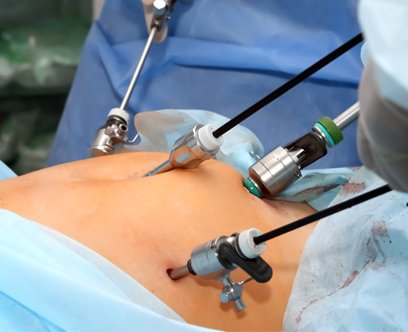
A laparoscopic hysterectomy is an advanced surgical procedure in which the uterus is removed (either completely or partially) through very small incisions in the abdomen using a camera and precision instruments, instead of traditional open surgery.
Laparoscopy is considered more advanced because:
• It causes less pain
• It requires a shorter recovery period
• It leaves very small scars
• It reduces the risks of major surgery
Types of laparoscopic hysterectomy
When is laparoscopic hysterectomy recommended?
How is the procedure performed?
The procedure is performed under general anesthesia.
Three to four small incisions are made in the abdomen to insert:
• A surgical endoscope camera
• Precision instruments for removing the uterus
The surgeon carefully separates the uterus from the ligaments and blood vessels.
It is removed whole or in pieces through one of the incisions or through the vagina (depending on the type of procedure).
The small openings are sutured with cosmetic stitches.
Duration of the procedure: 1–3 hours, depending on the case.
Advantages of laparoscopic hysterectomy
What happens after the operation?
Does the menstrual cycle continue after a hysterectomy?
Can I get pregnant after the operation?
Possible risks (rare)
Our Industry Expertise
Providing expert fertility treatments, including IVF and advanced reproductive care, to help couples achieve their dreams of parenthood through compassionate, personalized medical excellence
Our Treatment Process
Providing expert fertility treatments, including IVF and advanced reproductive care, to help couples achieve their dreams of parenthood through compassionate, personalized medical excellence
Stimulating the ovaries to
produce multiple eggs
Retrieving the eggs
from the ovaries
Collecting a sperm sample
from the husband
Fertilizing the eggs with the
sperm in the laboratory
Transferring the embryos to the uterus after several
days of development
FAQs About The Laparoscopic Hysterectomy Service
Advanced clinical procedures designed to assist conception by fertilizing eggs in a specialized lab for successful pregnancy outcomes.
Is treatment expensive?
Can I exercise during treatment?
Could I be eligible for intrauterine insemination (IUI) before IVF?
When can I take a pregnancy test after embryo transfer?
Services
- 1.IVF Services
- 2.Laparoscopic hysterectomy
- 3.Sex determination
- 4.Diagnosis and treatment of infertility in men and women
- 5.Diagnosis and treatment of genetic diseases
- 6.Artificial insemination
- 6.Artificial insemination
- 7.Amniocentesis and diagnosis of genetic diseases in the fetus during pregnancy
- 8.Removal of fibroids using a surgical endoscope
- 9.Hysteroscopy for diagnosing and treating causes of infertility, delayed pregnancy, IVF failure, and recurrent miscarriages
Why Choose Us?
Are you having health problems? Contact us today!
Address Business
Contact With Us
Call Us 24/7: +964 773 999 2995
Working Time
Mon: 7.00am - 4.00pm